Epic Stickman: Idle RPG War
- 4.8
- Rating
- 10.00M
- Installs
- Free
- Price

 Analysis by App-foxy
Epic Stickman: Idle RPG War is the kind of adventure game I can open for a few minutes, make a handful of decisions, and then leave without feeling that I have abandoned a complicated project. Its central appeal is straightforward: I choose a class, send a stickman hero into combat, and work toward becoming stronger over time. That simplicity is exactly what makes it approachable, but it also means the game depends heavily on whether its progression feels rewarding rather than repetitive.
After spending time with it, I see a clear audience for this game. It suits players who enjoy idle RPG combat, short sessions, visible character growth, and a fantasy adventure presented with a deliberately simple stickman style. It is less convincing for anyone looking for precise action controls, a deep story, or a fully hands-on battle system. My overall impression is positive, especially when I treat it as a relaxed progression game instead of expecting a traditional adventure with constant manual play.
What the first sessions are really asking you to do
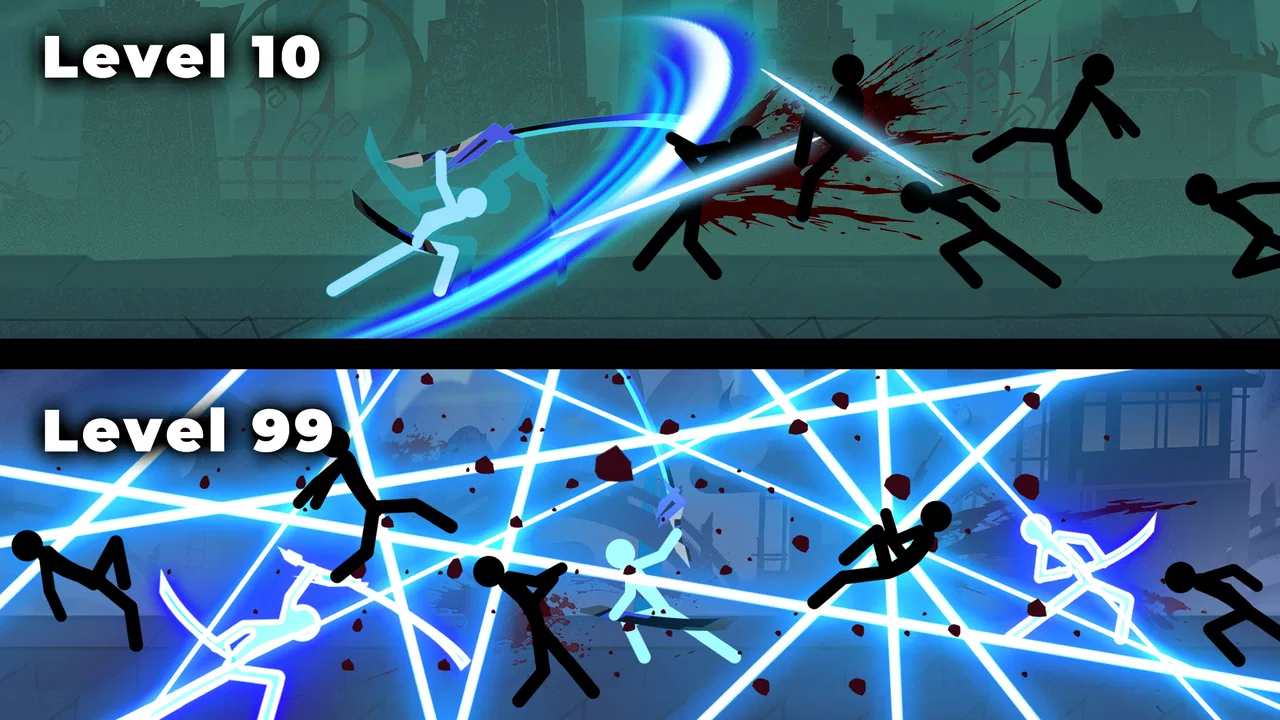
The early experience is built around a small set of understandable goals. I pick a class, enter combat, collect the rewards that follow, and use that progress to prepare for tougher encounters. There is no need to learn a large control scheme before seeing whether the game is enjoyable. The stickman presentation keeps the first impression light, while the RPG structure gives each improvement a practical purpose.
You May Also Like

 AccuWeather: Weather Radar
AccuWeather Review: A Quick, Clear Forecast for Everyday Decisions
For everyday plans, the best forecast is the one you can understand quickly. AccuWeather makes rain timing, radar, and local conditions easy to act on, with a few trade-offs.

 Hill Climb Racing
Why Hill Climb Racing Still Turns Crashes Into One More Run
A tiny car, a bumpy hill and one more upgrade: Hill Climb Racing keeps resurfacing because its simple chaos makes every near-miss feel personal.

 AliExpress - Shopping App
AliExpress Makes Global Shopping Feel Personal, but Shoppers Bear the Risk
AliExpress turns a global marketplace into a pocket-sized discovery engine. Its reach is useful, its shopping loop compelling, and its trade-offs easy to miss.

 Lords Mobile: Kingdom Wars
Lords Mobile Is a Kingdom-Building Routine, Not a Quick Match
A case-by-case verdict on the building, battles, device demands, and social commitments that make Lords Mobile rewarding for some players and exhausting for others.

 PDF Scanner app - TapScanner
TapScanner Makes Paperwork Easier to Capture, Check, and Share
TapScanner makes scanning with a phone feel less like a rescue operation and more like a dependable step in getting work done. Its capture tools are useful, though not flawless.

 Block Blast!
 Shows How Much a Puzzle Game Can Leave Out
A quiet grid game shows why puzzle players increasingly value instant clarity, repeatable skill and low-pressure play—and where the genre still needs to catch up.
More From Our News Desk
View All News


That early clarity matters. In many role-playing games, the opening hours can become crowded with menus, currencies, quests, equipment screens, and explanations. Here, the basic promise is easier to grasp: fight, improve, and continue. I found that useful when playing in short bursts because I could return to the game and quickly understand what I was working toward.
The class choice is the first decision that gives the adventure some personal identity. Even without turning the opening into a complicated build-planning exercise, choosing a class encourages me to think about how I want my run to feel. I would recommend trying the option that matches your preferred style first rather than immediately chasing the choice that appears strongest. In an idle RPG, comfort with the rhythm of progression usually matters more than making a supposedly perfect opening decision.
One practical habit helped me enjoy the beginning more: I treated every new upgrade as a question rather than automatically spending everything. If a reward improved immediate combat, it could help me reach the next milestone. If it only supported longer-term growth, saving attention for a more meaningful checkpoint sometimes made the session feel more deliberate. The game is accessible enough for casual play, but it still benefits from players noticing where their resources are making the greatest difference.
How progress feels when the battles run themselves
The strongest part of the design is the feedback loop between combat and improvement. I can watch the hero fight, return after a break, and see that the character has moved forward. That makes the game a good companion for ordinary idle moments: waiting for transport, taking a short break, or winding down when I want something interactive without committing to a long uninterrupted session.
Progress is not only about winning one battle. The more important feeling comes from seeing a previously difficult encounter become manageable after a few sensible improvements. That change gives the game its main satisfaction. The combat may not demand constant input, but the surrounding decisions still give me a reason to check in and decide what should happen next.
I also like that the stickman art does not pretend to be something grander than it is. The visual identity is clean and easy to read, which supports the idle format. I am not stopping to admire elaborate environments or cinematic scenes; I am checking the hero, the battle, and the next useful improvement. That focus can feel refreshing when I want a game that communicates quickly.
There is a trade-off, though. Because the presentation is intentionally simple and the combat is largely passive, the satisfaction depends on the progression layer. If the next improvement feels meaningful, the minimal style works. If the rewards begin to feel like small numerical steps without a noticeable effect, the experience can lose momentum. I recommend judging the game by how much you enjoy planning incremental growth, not by expecting every battle to feel like an action sequence.
Where the challenge curve works and where patience matters
The challenge is most interesting when it asks me to pause and adjust instead of simply waiting. A failed or stalled encounter can signal that my current setup needs attention, whether that means improving the character, reconsidering the chosen class, or giving the idle progression more time. That creates a modest strategic layer without turning the game into a demanding tactical RPG.
My advice is not to interpret every obstacle as a reason to spend immediately. Idle games often tempt players to solve a wall with the fastest available option, but the better long-term habit is to identify whether the problem is a genuine power gap or merely a fight that needs more accumulated progress. I found the distinction important because rushing past every barrier can make later growth feel less satisfying.
The difficulty curve is therefore best suited to patient players. I enjoy games where a short return visit can produce enough improvement to change the result, and this format supports that feeling. Players who need constant novelty may find the pauses between meaningful breakthroughs too long. The game’s challenge is about managing momentum, not mastering timing windows or reacting to enemy attacks in real time.
That also explains who should skip it. If your ideal adventure game gives you direct control over movement, attacks, dodges, and exploration, this will probably feel too hands-off. A conventional action RPG or a manually controlled dungeon game would offer more immediate involvement. Epic Stickman: Idle RPG War is a better match for someone who wants to influence growth and class direction while letting the battles themselves carry on with limited supervision.
Unlocks, milestones, and the reason to return
The game’s retention comes from the promise that another session will move the hero closer to the next meaningful step. I do not need a long play window to feel productive; even a brief check can be worthwhile if it lets me collect progress and make an upgrade. That structure is particularly effective for people who like having a small game available throughout the day rather than playing one long campaign at a time.
What keeps the loop from becoming completely automatic is the need to decide when progress is sufficient and when it is time to push again. I prefer to use a simple routine: check the current obstacle, improve the area that most directly affects it, and then test the next stage. This avoids wandering through menus without a purpose and makes each session feel connected to a clear goal.
There is also a psychological pressure built into any idle RPG. The game encourages me to think about what I could gain by returning later, which can be motivating but can also turn leisure into a checklist. I would set a personal limit before playing, especially if I am prone to repeatedly checking a game for small rewards. The experience is healthiest when the idle loop serves my schedule rather than demanding constant attention.
Its free entry point helps with that decision. The game is free to download, so I can test the class choice, pacing, and combat rhythm without paying before knowing whether the format suits me. At the same time, optional purchases range from $1.49 to $99.99 per item. That wide range is worth keeping in mind: I would approach spending carefully and decide whether a purchase adds genuine enjoyment or merely shortens a waiting period.
For me, the best way to play is to regard purchases as entirely optional rather than part of the expected route. If I feel that progress is only enjoyable when accelerated, that is a sign to step back and reconsider whether the idle structure is working for me. Players who dislike in-app purchase pressure should be especially deliberate about setting boundaries before they begin.
How it fits into the adventure and idle RPG space
Compared with a traditional adventure game, this one removes much of the travel and direct exploration. I am not choosing every attack or searching a large world for environmental clues. Instead, the adventure is expressed through the hero’s continued battles and the gradual improvement of a chosen class. That makes it less immersive in the classic role-playing sense, but much easier to fit around a busy day.
Compared with a fully passive idle game, the RPG framing gives my decisions more context. Choosing a class and thinking about the next combat hurdle makes the growth feel more personal than simply watching a number rise. The stickman style reinforces that middle ground: it is lighter than a serious fantasy RPG, yet more structured than a purely decorative clicker.
I would not recommend replacing a story-driven adventure with this game if narrative is your main reason for playing. Its appeal is the loop of combat and improvement, not a richly developed cast or a cinematic journey. On the other hand, if you have tried complex RPGs and found their systems exhausting, this may be a more comfortable entry point. It gives enough structure to make progress feel purposeful without asking for the same attention as a large console-style adventure.
The audience response suggests that this formula has connected with many players. It holds an average rating of 4.9 from around 135 thousand ratings, and it has passed 5 million installs. Those figures do not guarantee that I will enjoy the pacing, but they do reflect substantial interest in the particular combination of idle combat, class choice, and stickman presentation.
Everyday use, device fit, and practical expectations
I see the game working best in short, repeated sessions rather than one long evening. Imagine finishing a few household tasks, opening the game while having a drink, checking the current battle, and making one or two upgrades before moving on. That is the natural use case. It does not demand the same concentration as a competitive match, and it gives a small sense of progress without requiring a full gaming setup.
The content rating is Teen, so I would not choose it automatically for younger children. Parents should consider that age guidance alongside the game’s combat theme and its in-app purchases. For adult players, the rating is a useful reminder that this is still a battle-focused RPG even though the stickman art keeps the tone relatively simple.
The current version is 1.0.56, and the minimum operating system is Android 9. That makes the compatibility requirement fairly clear for Android users: check the device software before planning to play. I would also keep the game updated through the normal store process, since idle titles depend on a stable progression loop and small technical improvements can matter more than their simple visuals suggest.
Fansipan Limited is the developer behind the game. I mention that because it is useful to know who is responsible for the particular style and direction, but the more important question for me remains whether the current loop fits my habits. A recognizable developer name would not change the basic trade-off: this is a lightweight, progression-focused adventure rather than a deeply interactive action title.
Small decisions that make the loop more enjoyable
My first useful tip is to connect upgrades to a specific obstacle. Instead of spending rewards as soon as they appear, I look at the fight that is stopping progress and improve the part of the character most likely to change that result. This turns idle play into a simple experiment: make one sensible adjustment, return to combat, and see whether the barrier moves.
My second tip is to use the class choice as a commitment to a play preference, not as a test of whether I can predict the entire game. New players can easily overthink the opening selection. I would choose the class that makes the style feel enjoyable, learn how its progress develops, and only then decide whether another approach is worth exploring. That reduces the pressure to make an allegedly perfect start.
My third tip is to separate patience from passive neglect. Leaving the game alone is not automatically the best strategy. I get more from it when I return with a purpose: collect the result of the idle period, inspect the next challenge, and spend only where the improvement supports that challenge. This workflow makes short sessions feel active even though the battles are not fully manual.
A fourth consideration is emotional rather than mechanical. If the game makes me check repeatedly without giving me a satisfying decision, I stop and come back later. Idle RPGs can blur the line between a pleasant routine and compulsive monitoring. Epic Stickman: Idle RPG War is more enjoyable when I decide when to play, rather than allowing the reward cycle to decide for me.
My verdict on the long-term pacing
Epic Stickman: Idle RPG War succeeds when its goals stay visible: choose a class, overcome the next combat hurdle, and make progress that feels noticeable. Its strongest quality is convenience. I can enjoy the fantasy of an RPG without giving every battle my full attention, and the stickman presentation keeps the experience readable and approachable.
Its limitations are just as clear. The passive combat will not satisfy players who want constant control, and the gradual nature of idle progression can feel slow when the next improvement does not change the outcome enough. The in-app purchase range also means I would play with a spending limit in mind. Those are not minor details; they define whether the game feels relaxing or frustrating.
For my tastes, it is worth trying if I want a free adventure game for brief sessions, enjoy watching a character grow, and do not need a large story or rapid action. I would skip it in favor of a conventional action RPG if direct combat, exploration, or narrative discovery mattered more to me than background progression.
In the end, the game earns its place through a focused idea rather than an oversized feature list. It gives me a simple reason to return and enough class-based identity to make the growth feel personal. The best way to approach it is as a patient, low-pressure progression companion, not as a substitute for a hands-on adventure. Played with that expectation, it is an easy recommendation for idle RPG fans who want their next goal to be clear and their sessions to remain manageable.
FAQs for Epic Stickman: Idle RPG War
01What is the main gameplay of Epic Stickman: Idle RPG War?
Epic Stickman: Idle RPG War is an idle role-playing game where players control stickman warriors in battles against enemies. The game focuses on strategy and character development. Players can upgrade their heroes, unlock new skills, and form powerful teams to defeat increasingly challenging opponents, even while offline.
02Is Epic Stickman: Idle RPG War free to play?
Yes, Epic Stickman: Idle RPG War is free to download and play. However, it offers in-app purchases that can enhance the gaming experience. These purchases might include items, upgrades, and special abilities that can provide advantages in battles and progression through the game.
03Can I play Epic Stickman: Idle RPG War offline?
Yes, Epic Stickman: Idle RPG War features offline gameplay. This means that your stickman warriors can continue fighting and earning rewards even when you're not actively playing or connected to the internet. This idle feature allows for continuous progression without constant online connectivity.
04What are the system requirements for Epic Stickman: Idle RPG War?
Epic Stickman: Idle RPG War requires a device running Android 5.0 or iOS 10.0 and later. It is optimized for both smartphones and tablets, ensuring smooth gameplay across devices. For the best experience, it's recommended to keep your device updated and have sufficient storage space available.
05How does character progression work in Epic Stickman: Idle RPG War?
In Epic Stickman: Idle RPG War, character progression is achieved through battles, experience points, and upgrades. Players earn rewards by defeating enemies, which can be used to enhance their heroes' skills and abilities. As characters level up, they become stronger, allowing players to tackle more challenging missions and enemies.
Pros
- Engaging idle gameplay mechanics.
- Rich variety of stickman characters.
- Intuitive user interface design.
- Frequent updates with new content.
- Minimal battery consumption.
Cons
- Ads can be intrusive at times.
- Limited storyline depth.
- In-app purchases can be pricey.
- Occasional connectivity issues.
- Repetitive background music.

Epic Stickman: Idle RPG War
Gallery